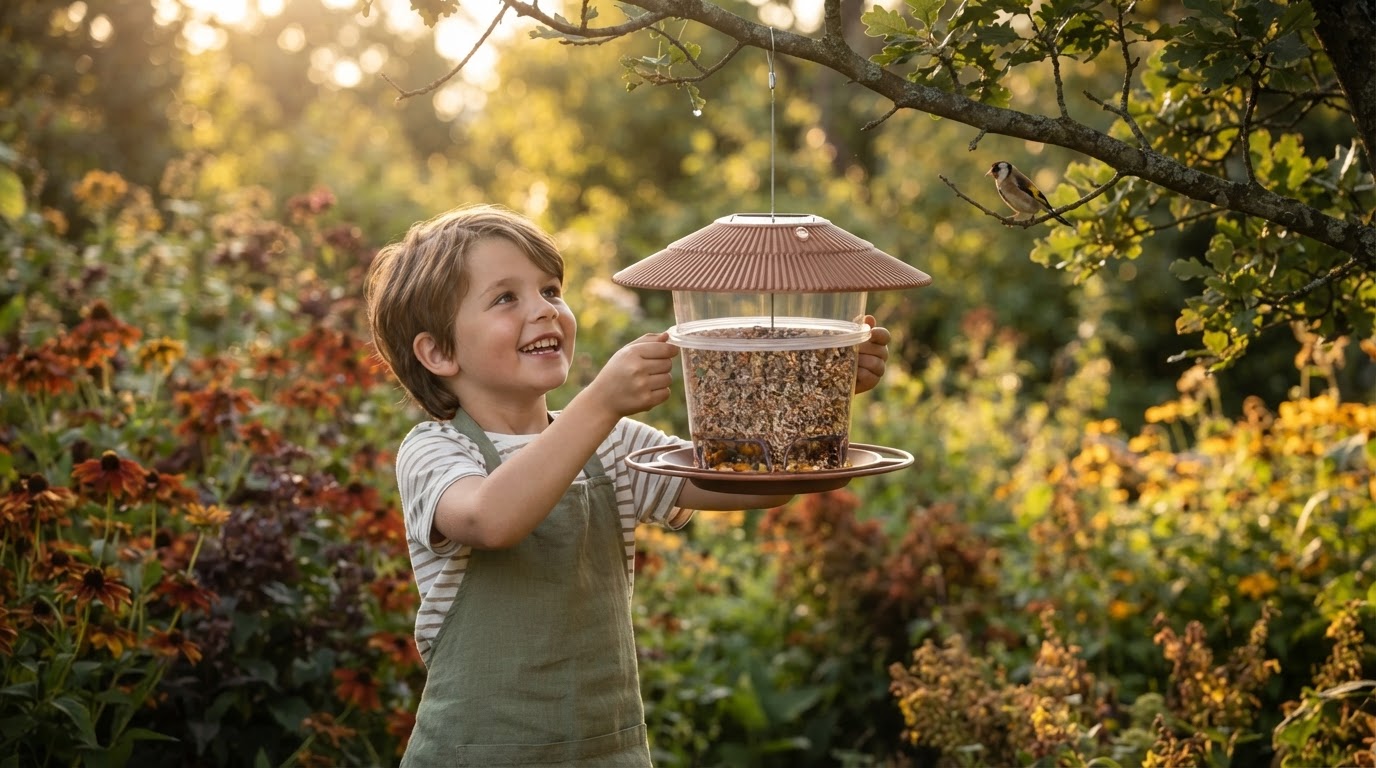
Maintaining a Metal Solar Lantern Bird Feeder Waterproofing
 Maya ChenContributing Editor
September 21, 2026. This technical overview addresses the mechanical requirements for maintaining moisture resistance in avian feeding stations. It is intended for consumers seeking to maximize the lifespan of integrated solar-electronic garden hardware.
The Failure of Standard Weatherproofing Claims
The conventional wisdom says that any product labeled for outdoor use can withstand indefinite exposure to the elements without intervention. However, field data suggests otherwise. Most metal solar lanterns rely on basic IP44 or IP65 ratings, which denote resistance to splashes or low-pressure jets, but these ratings do not account for the corrosive nature of bird waste or the micro-climates created by damp seed. According to a product analysis by Etsy seller Solar Lantern Bird Feeder for Outdoor, high-quality units must utilize weather-resistant metal finished in bronze or copper to handle the trifecta of sun, rain, and wind all year round. Without these specific finishes, the oxidation process begins within weeks of the first rainfall. Here's the part nobody talks about: the most common failure point is not the metal housing itself, but the seal between the solar panel and the seed hopper. When water ingress occurs, it creates a humid environment that leads to seed germination or mold, rendering the feeder dangerous for local wildlife. While many seek a metal solar lantern bird feeder for its aesthetic appeal, the functional reality is that metal expands and contracts at different rates than the plastic housings of the internal LEDs, eventually compromising the waterproof gaskets.
Engineering Resilience in the Solar Lantern Feeder
The Solar Lantern Feeder addresses these structural vulnerabilities by isolating the electronic components from the food storage area. Unlike generic models found on mass-market platforms, this unit utilizes a vertical drainage system that prevents water from pooling at the base of the tray. Run the math: a feeder that holds two pounds of seed can absorb nearly half a pound of water during a heavy storm if the drainage ports are insufficient. This added weight puts unnecessary stress on the hanging hardware and increases the likelihood of seal failure. The Solar Lantern Feeder incorporates a heavy-duty S-hook and reinforced metal frame, similar to the durability noted in best solar lantern bird feeder reviews. By using a powder-coated finish rather than a simple paint layer, the unit resists the micro-scratches that typically serve as the entry point for rust. Furthermore, the integration of a glow in the dark bird feeder functionality relies on a top-mounted solar cell that is flush-seated to prevent lateral moisture penetration. The design acknowledges that solar bird feeders for outside hanging waterproof must function as both a dry food dispenser and a sealed electronic device. The use of high-efficiency monocrystalline panels ensures that even under overcast conditions, the internal battery reaches a full charge, which is critical because a constantly depleted battery is more prone to chemical leakage and internal corrosion.
A Framework for Long-Term Outdoor Reliability
To ensure a metal solar lantern remains functional through multiple seasons, a proactive maintenance schedule is required rather than a 'set and forget' mentality. I'll change my mind when manufacturers develop a self-healing gasket, but until then, the burden of maintenance falls on the user. When assessing the integrity of a wild bird feeder with solar light, consumers should follow this technical checklist:
- Quarterly Inspection: Remove the solar cap and inspect the rubber gasket for signs of dry rot or cracking caused by UV exposure.
- Drainage Verification: Clear the bottom tray holes of seed husks and debris every two weeks to prevent standing water accumulation.
- Panel Cleaning: Wipe the solar surface with a damp microfiber cloth to remove dust and bird droppings, which can reduce charging efficiency by up to 30%.
- Weight Management: Ensure the hanging point is rated for at least double the weight of the feeder when full to prevent structural warping during high winds.
- Seasonal Storage: In climates with sustained freezing temperatures, internalize the unit to prevent ice expansion from cracking the metal-to-glass seals.
Shop Solar Lantern Feeder here