Optimizing Eco Friendly Bird Feeder Light Placement
 Maya ChenContributing Editor
October 16, 2026. This technical overview examines the functional requirements for deploying an eco friendly bird feeder light in residential gardens. It serves consumers seeking to integrate wildlife support with sustainable outdoor lighting systems.
The Efficiency Gap in Sustainable Bird Feeding
The conventional wisdom says that any solar-powered garden ornament is inherently eco-friendly. However, this ignores the significant waste generated by low-durability plastic units that fail after a single season. According to Green Feathers, truly sustainable bird feeding requires materials that are either biodegradable, like pinecones and bamboo, or exceptionally long-lasting to prevent landfill contribution. Many consumers gravitate toward a [waterproof solar light bird feeder](/blog/waterproof-solar-light-bird-feeder) expecting perpetual performance, but the reality is that most "eco" options fail to account for the energy-intensive manufacturing of their components. Run the math: a feeder that lasts twelve months but requires six months of energy savings to offset its production carbon footprint is barely breaking even. The problem is compounded by the trend of using non-recyclable adhesives in mosaic solar bird feeders, which often prioritize aesthetic appeal over the biological needs of the birds. While Pinterest ideas suggest using recycled chandeliers or egg cartons, these often lack the structural integrity to withstand prolonged UV exposure or heavy rainfall, leading to frequent replacements that undermine the original environmental goal. Real sustainability in this category requires a shift from disposable novelties to durable, high-efficiency systems that provide genuine utility to local ecosystems without becoming future plastic waste.
Engineering the Solar Lantern Feeder for Longevity
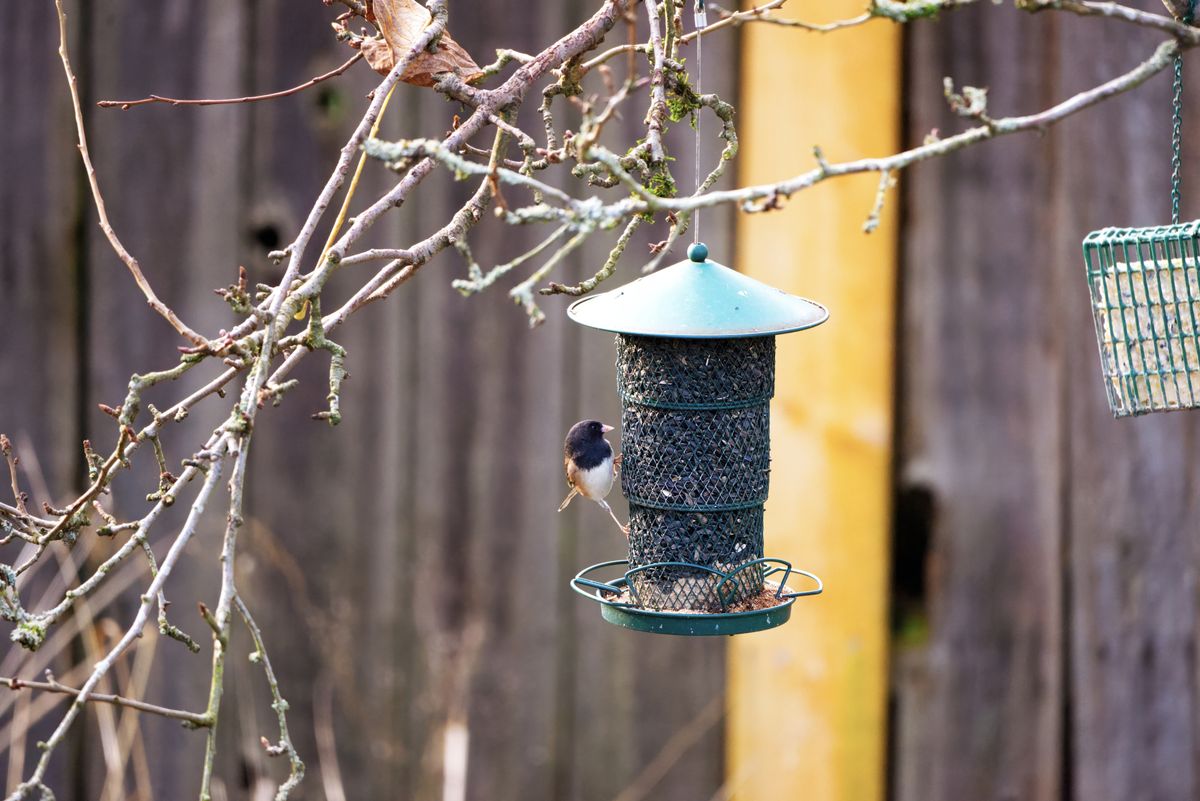
Photo by DANNIEL CORBIT on Pexels
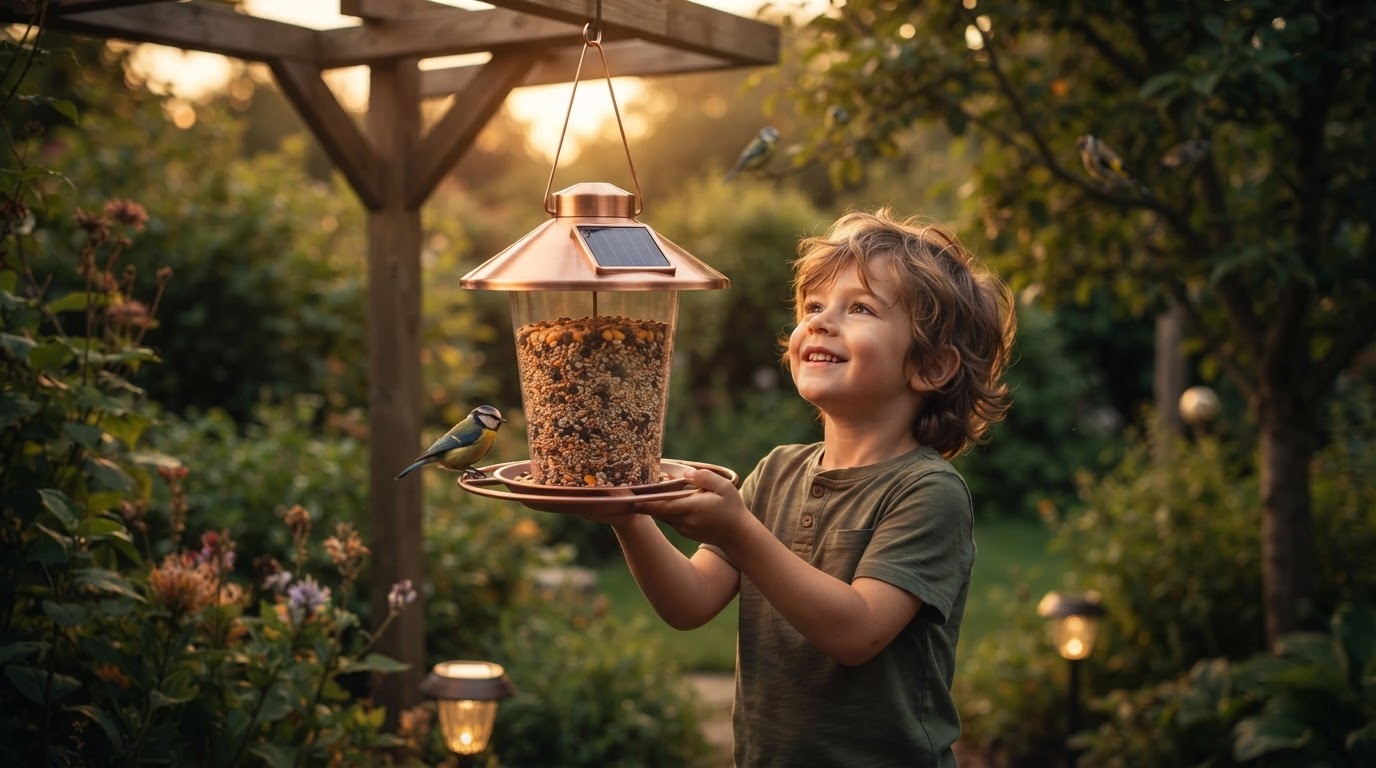
Here's the part nobody talks about: the intersection of solar charging and avian feeding habits is a conflict of physical placement. Birds prefer sheltered, shaded areas to avoid predators, while solar panels require direct, unobstructed sunlight to function. The Solar Lantern Feeder addresses this by utilizing high-conversion solar cells integrated into a metal solar bird feeder lantern frame, which provides the necessary weight to prevent swaying while maximizing surface area for light absorption. This specific design allows the unit to charge during peak daylight hours even when placed in partial sun, storing energy in a dedicated solar battery for evening illumination. Unlike basic models, this system uses LED technology that provides garden illumination without the high heat output that can degrade nearby bird seed. By incorporating a waterproof solar light bird feeder housing, the internal electronics are protected from the moisture that typically causes short circuits in cheaper alternatives. This durability is essential for those seeking [unique solar gifts for bird lovers](/blog/unique-solar-gifts-for-bird-lovers) that won't end up in a bin by spring. The feeder serves a dual purpose: it acts as a daytime nutrient station and a nighttime beacon, utilizing a copper solar lantern feeder finish to reflect light subtly rather than creating the harsh glare that can disorient nocturnal wildlife. By focusing on metal construction and weather-sealed solar components, the Solar Lantern Feeder minimizes the lifecycle environmental impact compared to mass-produced plastic variants.
A Framework for Sustainable Feeder Selection
Selecting an eco friendly bird feeder light requires a departure from purely aesthetic shopping. The effectiveness of these units depends entirely on the quality of the photovoltaic cell and the weatherproofing of the seed chamber. Pestrol Australia notes that features like LED lights for evening illumination must be balanced with a solar battery that can handle multiple charge cycles. When evaluating a potential addition to your garden, use this technical checklist to ensure the product meets long-term sustainability standards:
- Material Composition: Prioritize powder-coated metal or thick glass over thin plastics that degrade under UV light.
- Battery Replaceability: Ensure the solar battery can be accessed and replaced, extending the life of the feeder beyond the battery's natural 2-3 year cycle.
- Seed Protection: The housing must include drainage holes and a wide roof to prevent seed rot, which is a common cause of avian illness.
- Light Temperature: Look for warm-toned LEDs; blue-toned lights are more disruptive to the circadian rhythms of local insects and birds.
- Mounting Stability: A metal solar bird feeder lantern should have a heavy-duty hanging wire to prevent it from becoming a projectile during high winds.
- Cleaning Accessibility: The design must allow for complete disassembly to facilitate the bi-weekly cleaning required to prevent the spread of salmonella among bird populations.
Shop Solar Lantern Feeder here.
Sources
Photo by 🇻🇳🇻🇳Nguyễn Tiến Thịnh 🇻🇳🇻🇳 on Pexels
- Solar Hanging Bird Feeder - Pestrol Australia
- How to make an eco-friendly bird feeder | Green Feathers
- Solar Light Bird Feeder - Pinterest