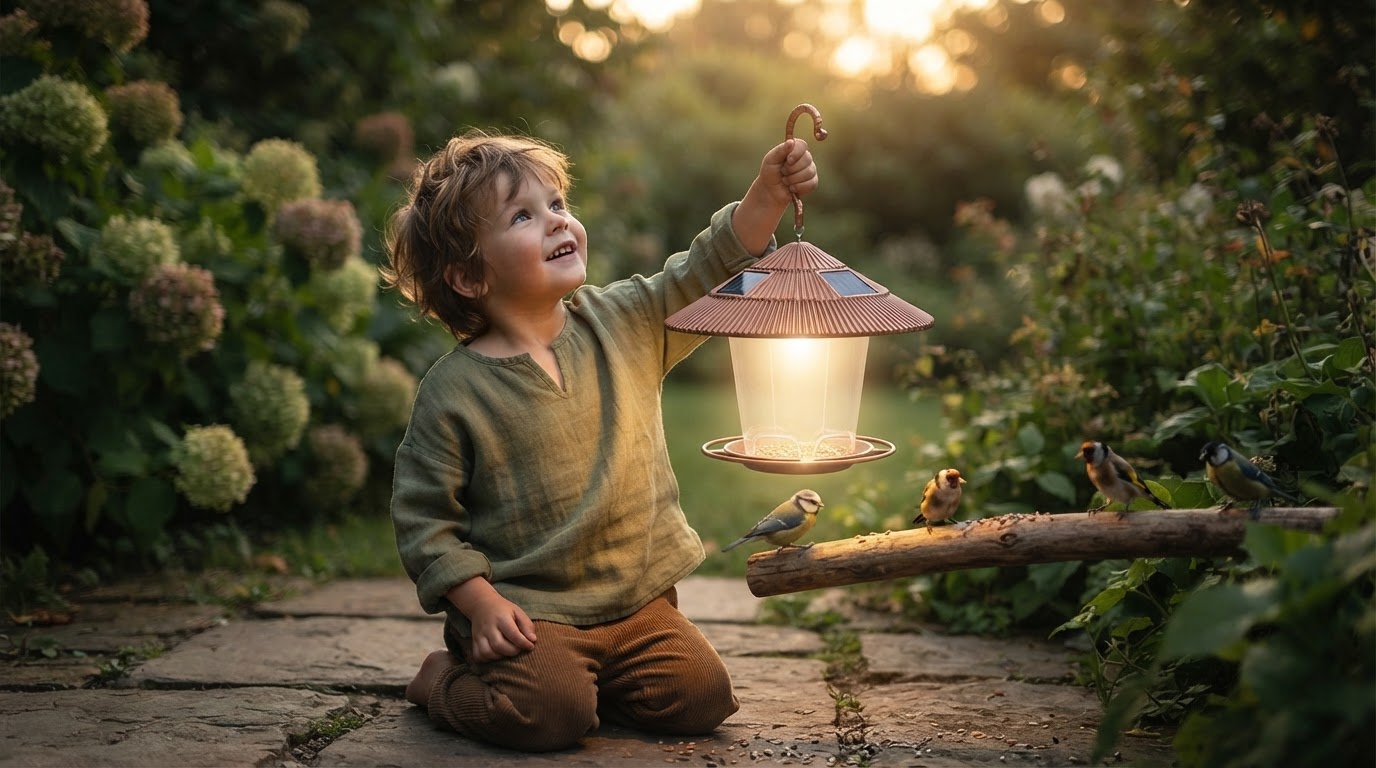
Is a Solar Lantern Feeder a truly eco friendly light?
 Maya ChenContributing Editor
October 31, 2026 — A Solar Lantern Feeder functions as an eco-friendly lighting solution primarily by eliminating the need for grid-tied electricity and disposable batteries, provided the housing is constructed from high-durability materials.
The conventional wisdom says that any product with a solar panel is inherently green, but the reality is more complex when factoring in electronic waste and material longevity. General consumers often seek these dual-purpose devices to reduce their carbon footprint while maintaining a backyard sanctuary, yet few analyze the lifecycle of the internal photovoltaic components. Understanding the intersection of renewable energy and avian safety is critical for those prioritizing a low-impact garden.
How does solar lighting impact bird feeder sustainability?
Solar lighting improves feeder sustainability by leveraging renewable energy to power night-time aesthetics without recurring resource consumption. Here's the part nobody talks about: the environmental benefit is only realized if the feeder remains functional for at least three to five years, offsetting the carbon cost of manufacturing the lithium-ion or NiMH battery inside. While many plastic feeders degrade under UV exposure, a Solar Lantern Feeder utilizing glass and metal avoids the microplastic shedding associated with cheaper alternatives. According to Green Feathers, truly eco-friendly feeding often starts with natural materials like pinecones or bamboo, but when transitioning to powered devices, the focus shifts to durability and repairability. The integration of a light source also serves a functional purpose beyond decoration; it can deter certain nocturnal pests that might otherwise raid the seed supply, preserving resources.
What materials define an eco-friendly bird feeder light?
An eco-friendly bird feeder light is defined by a chassis made of recyclable or biodegradable materials paired with a high-efficiency solar cell. Run the math: a feeder made from FSC-certified bamboo, such as the Birdfy Bamboo Feeder cited by Wild Birds Unlimited, has a significantly lower initial carbon debt than a standard petroleum-based plastic unit. For a Solar Lantern Feeder to meet this threshold, it must utilize weather-resistant finishes that do not leach toxins into the soil or water. Many high-performance models now incorporate copper or powder-coated steel to ensure the structure outlasts the electrical components. Projects highlighted by Project Learning Tree emphasize that using recycled materials, such as pressed cardboard or egg cartons, is the gold standard for temporary feeders, but for permanent solar installations, the use of long-life LEDs is mandatory to minimize electronic waste. I'll change my mind about the sustainability of these devices when manufacturers provide standardized, replaceable battery compartments as a default feature across all models.
Quick answers
Q: Can solar lights on feeders harm birds at night? A: Most birds are diurnal and remain unaffected by the low-lumen output of a Solar Lantern Feeder, which typically emits less than 15 lumens. This brightness level is insufficient to disrupt the circadian rhythms of common backyard species like Northern Cardinals.
Q: What is the lifespan of the solar cell in these feeders? A: A standard polycrystalline solar panel used in garden feeders generally maintains 80% efficiency for approximately 2 to 3 years. After this period, the internal rechargeable battery usually requires replacement to maintain consistent night-time illumination.
Q: Are there plastic-free solar bird feeders available? A: Yes, many Solar Lantern Feeder models utilize a combination of metal frames and glass mosaic inserts to eliminate structural plastic. This design choice prevents the breakdown of polymers into the environment, a common issue with entry-level feeders.
Additional insights on habitat integration can be found in our analysis of optimizing backyard habitats with Solar Lantern Feeder technology. For those interested in aesthetic variations, we have evaluated whether mosaic Solar Lantern Feeder models attract more birds. You may also consider the functional benefits discussed in our Solar Lantern Feeder dual-purpose review.
Learn more about Solar Lantern Feeder at https://solyrafeeder.com.
Sources
- How to make an eco-friendly bird feeder | Green Feathers
- 14 Bird Feeder Projects Using Natural and Recycled Materials
- Smart Feeders and Houses - Wild Birds Unlimited