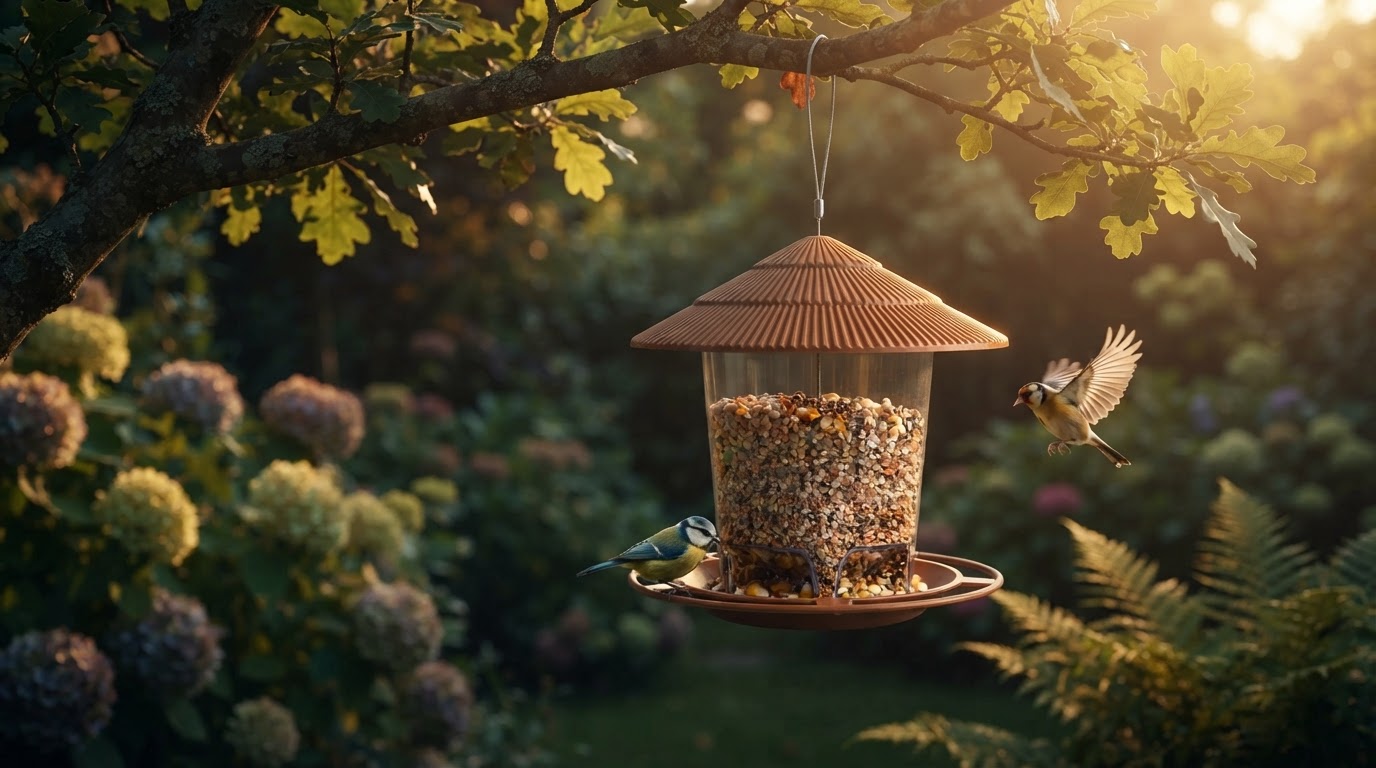
The Ultimate Guide to Choosing the Best Solar Lantern Bird Feeder
The Ultimate Guide to Choosing the Best Solar Lantern Bird Feeder
Attracting wild birds to your yard brings beauty, song, and natural pest control to your outdoor sanctuary. In recent years, backyard enthusiasts have embraced dual-purpose decor that serves wildlife by day and lights up the yard by night. A solar lantern bird feeder combines these two functions into a single stylish garden fixture.
Selecting the best solar lantern bird feeder requires understanding construction quality, solar lighting performance, drainage efficiency, and ease of maintenance. This comprehensive guide walks you through everything you need to know to make an informed choice for your outdoor space.
What Is a Solar Lantern Bird Feeder?
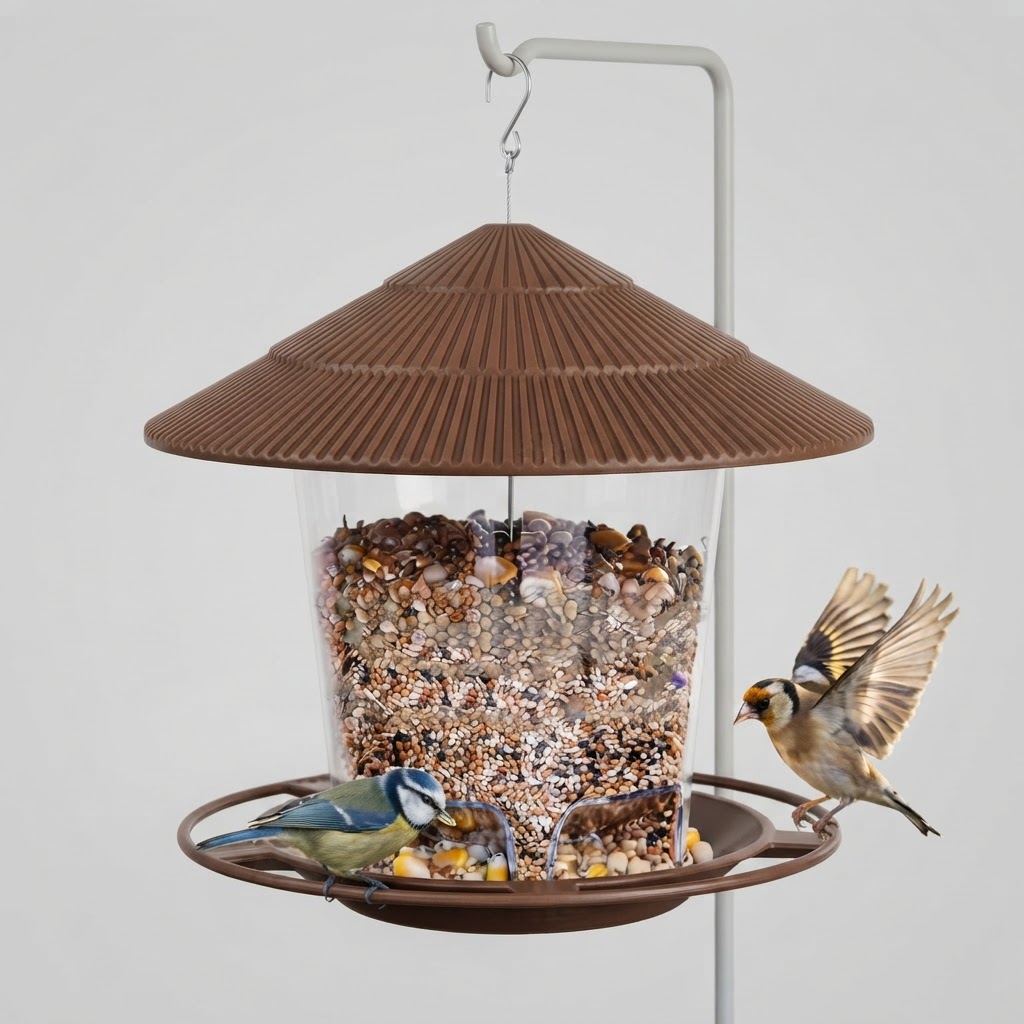
A solar lantern bird feeder is a hybrid garden piece engineered to feed local songbirds while providing ambient outdoor lighting. During daylight hours, wild birds gather around the seed tray to feed. Simultaneously, the built-in solar panels convert sunlight into electrical power, storing energy in an internal battery.
When twilight arrives, an automatic light sensor switches on an integrated solar powered LED light. The fixture illuminates your garden space, transforming a daytime feeding station into an elegant nighttime lantern.
Benefits of Dual-Purpose Backyard Decor
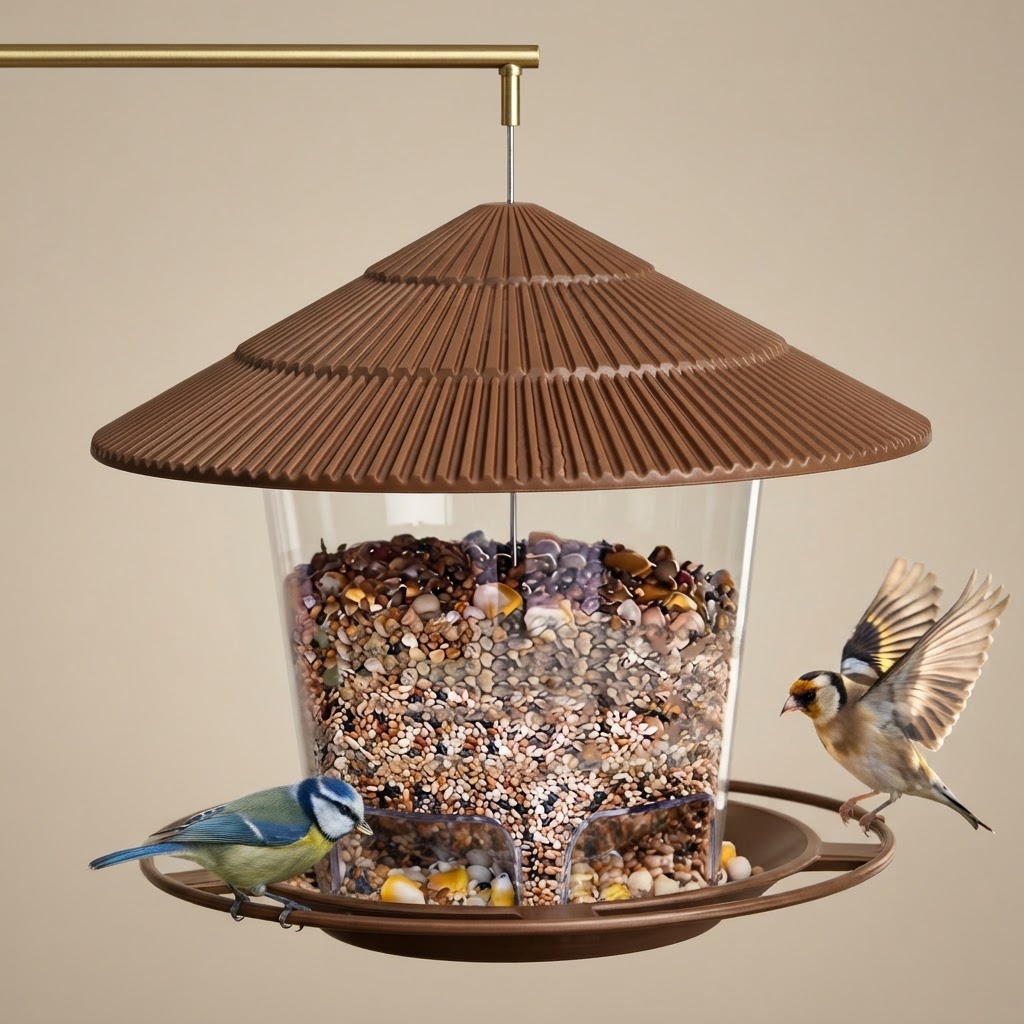
Investing in dual-purpose garden equipment maximizes both budget and outdoor real estate. Here are the main advantages of adding a solar bird feeder lantern to your yard:
Essential Features to Look For
When evaluating different feeder models, prioritize build quality and bird safety. Look for these crucial elements:
- Durable Construction: Avoid thin plastic that breaks down under UV exposure. Durable bronze materials offer long-term resistance against rust, wind, and rain.
- Integrated Drainage: Seed trays must feature drainage holes in tray bottom sections. Proper drainage prevents trapped rainwater from turning bird seed soggy or moldy.
- Long Illumination Duration: Look for solar units capable of delivering 8-10 hours of illumination at night after a full charge.
- Ready to Hang: Units designed with no assembly required let you install the feeder immediately out of the package.
Placement and Sunlight Optimization
To ensure your feeder lights up reliably every night, placement is critical. Position the solar panel where it receives direct sunlight for at least 6-8 hours hours during the day. Avoid hanging the unit directly beneath dense tree foliage or deep porch overhangs that block daylight.
Additionally, choose a location visible from your porch or window so you can enjoy birdwatching during the morning and admire the soft illumination after dusk. Ensure the mounting height remains around 5-6 feet feet to deter ground pests.
Cleaning and Seed Maintenance
Keeping your solar bird feeder clean protects visiting birds from disease. Inspect the feeding tray weekly. Sweep out leftover seed hulls and clear drainage holes in tray bases to maintain water flow.
Wash the feeding surface with warm water and mild soap every two weeks. Wipe the solar panel cover clean using a soft cloth to remove dust or bird droppings that might block incoming sunlight. Always allow the tray to dry completely before filling it with up to 2 lbs lbs of fresh seed.
Selecting the Right Seed Type
Different seed blends attract distinct bird species. Black oil sunflower seeds are universally loved by cardinals, chickadees, and finches. Nyjer seed works well for smaller songbirds, while mixed birdseed attracts a diverse array of ground and perching birds. Ensure the seed size fits comfortably in the tray without clogging the drainage holes.
Related in this cluster
- How Solar Bird Feeders Work: Solar Power Meets Garden Decor
- Bronze Solar Feeders vs. Plastic Feeders: Material Comparison
- Upgrade Your Yard with the Vintage Solar Lantern Bird Feeder
- How to Set Up and Hang Your Solar Lantern Bird Feeder
- Frequently Asked Questions About Solar Lantern Bird Feeders
- 5 Must-Have Features in a Solar Bird Feeder Lantern