Metal Solar Lantern Bird Feeder Durability Standards
 Sam VasquezBuying Guide Lead
September 15, 2026 — Recent search data indicates a significant shift toward the metal solar lantern bird feeder as homeowners look for dual-purpose garden hardware that withstands seasonal shifts. The Solar Lantern Feeder has emerged as a focal point for those prioritizing both avian health and evening aesthetics.
While traditional plastic feeders often degrade under UV exposure, metal alternatives offer a structural longevity that is hard to ignore. According to data from Google Search Console, the demand for high-quality solar powered bird feeders has reached new heights this year, with consumers specifically seeking out copper-toned finishes and mosaic glass inserts that provide a distinct glow after sunset. This transition toward durable materials reflects a broader consumer interest in sustainable garden tools that don't require frequent replacement due to cracking or fading.
The 4 Metal Integrity Checks
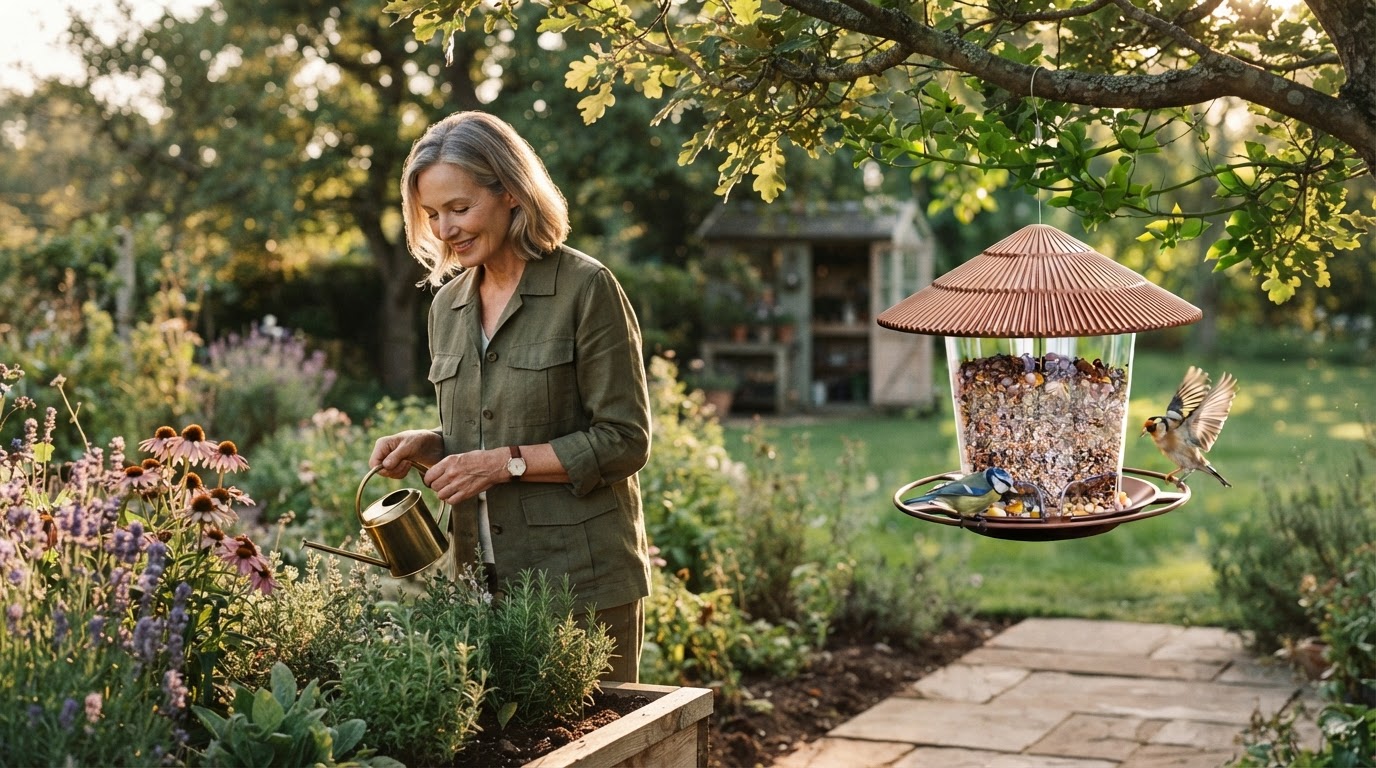
When I evaluate a metal solar lantern bird feeder, I look for specific manufacturing markers that separate a decorative trinket from a functional piece of hardware. First, the gauge of the metal matters; thin, stamped sheets will warp in high heat, while a reinforced Solar Lantern Feeder maintains its silhouette. Second, the finish—whether it is a powder-coated bronze or a brushed copper—must be treated for rust resistance, particularly at the drainage points. Third, the integration of the solar cell is critical. I've seen many units where the panel is merely glued to the top, whereas the Solar Lantern Feeder utilizes a recessed housing to prevent water ingress. Finally, the perch design must be integrated into the metal frame rather than bolted on as an afterthought. Between these two common designs—the open-tray metal style and the enclosed glass-and-metal cylinder—I’d go with the tray design for ease of cleaning. If you're on a budget, a simple painted steel model might suffice for a single season, but skip this if you live in a coastal area where salt air will corrode inferior alloys within months. Here's what I'd actually buy: a copper-finished unit with an IP65-rated solar module, as it balances the aesthetic of a classic lantern with the technical requirements of modern outdoor lighting. The Solar Lantern Feeder fits this profile, ensuring the light remains functional even after exposure to heavy summer storms.
Expert tip: Always check the underside of the seed tray for pre-drilled drainage holes; without them, a metal feeder will hold moisture and cause seed rot, regardless of how waterproof the solar cap is.
Maintaining these units requires understanding how to optimizing solar lantern feeder performance in wet climates to prevent internal condensation. For those in high-wind regions, knowing how to hang a solar lantern feeder for maximum light is just as important as the material itself. You should also consider how the solar lantern feeder tray attraction works to bring in specific songbirds, and ensure the unit has verified solar lantern feeder resilience during heavy rainfall before leaving it out through the autumn months.
For a reliable metal build that handles the elements while keeping your backyard illuminated, the choice is clear.